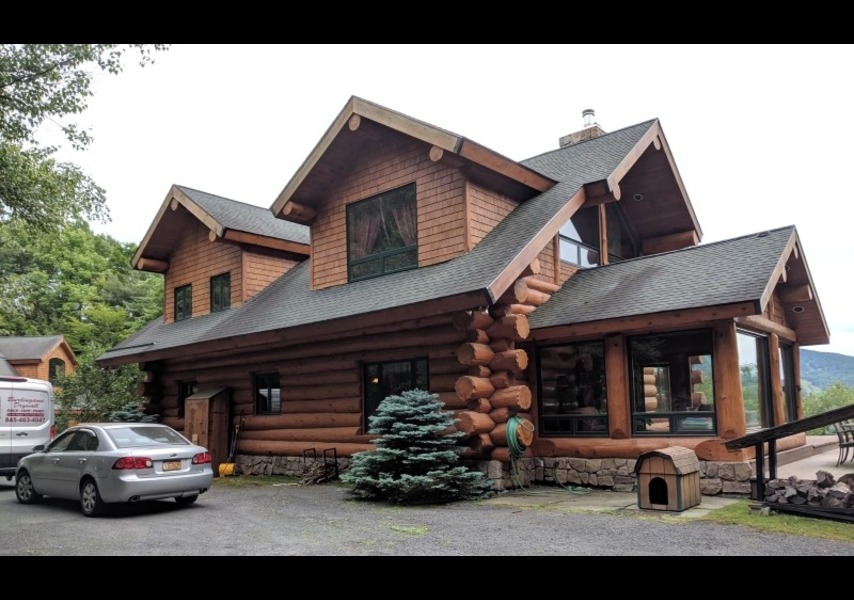
Residential New Builds: Drywall Trends & Best Practices in the Hudson Valley
The Hudson Valley housing market has been buzzing with activity, and if you’re planning a new build or major renovation, you’re probably wondering what’s driving the latest drywall trends.
From Poughkeepsie to Cold Spring, contractors and homeowners are embracing innovations that weren’t even on the radar five years ago. What started as simple gypsum boards hanging on studs has transformed into a sophisticated field where sustainability meets performance.
The Green Revolution: Sustainable Drywall Trends Taking Root
What makes this particularly relevant for Hudson Valley residents? The region’s commitment to environmental preservation aligns perfectly with these green building practices. Many local municipalities now offer incentives for sustainable construction, making eco-friendly drywall not just environmentally responsible but financially smart.
Low-VOC and Health-Conscious Materials
Indoor air quality has become a major concern for homeowners, especially after spending more time at home. Modern drywall manufacturers have responded with low-VOC binders and fewer additives, which reduce emissions and improve the overall safety of the building materials.
For families building new homes in the Hudson Valley, this means cleaner air from day one. These materials are particularly valuable in tightly sealed, energy-efficient homes where air circulation is limited.
Performance Innovations Changing the Game
The drywall industry isn’t just going green – it’s getting smarter. Enhanced fire resistance, soundproofing capabilities, and eco-friendly formulations utilizing recycled content are becoming standard features rather than premium upgrades.
Fire-resistant drywall has evolved beyond basic Type X panels. New formulations provide superior protection while maintaining workability for contractors. This is especially important in the Hudson Valley, where many properties border wooded areas and fire safety is paramount.
Moisture Management Solutions
Today’s moisture-resistant options go beyond simple green board, offering:
• Advanced mold-resistant additives that prevent growth even in high-humidity conditions
• Improved dimensional stability that reduces cracking and sagging
• Enhanced adhesion properties that maintain integrity through seasonal changes
Installation Best Practices for Hudson Valley Conditions
Proper preparation remains crucial, but it’s evolved to include moisture testing, thermal bridging analysis, and air sealing considerations. These steps weren’t common practice decades ago, but are now essential for achieving optimal performance.
Climate-Specific Techniques
Hudson Valley’s seasonal temperature swings require attention to expansion and contraction. Experienced contractors now factor in seasonal movement when planning joint placement and finishing techniques. This proactive approach prevents the callbacks and warranty issues that plagued earlier installations.
Fastener selection has also evolved. While basic drywall screws remain standard, specialized fasteners designed for different substrate materials and environmental conditions are becoming more common. The investment in quality fasteners pays dividends in long-term performance.
Technology Integration and Future-Proofing
Smart home integration is influencing drywall installation practices. Pre-planning for low-voltage wiring, sensors, and smart switches requires coordination between trades that wasn’t necessary in traditional construction.
Some contractors are now using laser levels and digital measuring tools to ensure precision installation. These technologies reduce waste, improve finish quality, and speed up the installation process. For homeowners, this translates to better results and potentially lower costs.
Prefabrication and Modular Approaches
Certain drywall components can now be prefabricated off-site, improving quality control and reducing on-site installation time. While not suitable for every application, this approach works well for repetitive elements like closets, utility rooms, and standard room configurations.
Conclusion
The Hudson Valley’s residential construction landscape is evolving rapidly, driven by environmental consciousness, performance demands, and technological advancement. Today’s drywall trends reflect a maturing industry that’s moved beyond basic functionality to encompass health, sustainability, and long-term value.
Related Posts